
How Omega-3 Fatty Acids Supply the Body's Inflammation Resolution Pathways
Pooled clinical data shows that omega-3 supplementation significantly elevates 18-HEPE and 17-HDHA, key precursors for active inflammatory resolution.
Most supplements are unnecessary and some are actively counterproductive. The ones worth taking earn their place by correcting a specific deficiency, supporting a mechanism food cannot reach, or replacing something modern agriculture stripped out of the soil. These pages cover what each compound actually does, the dose the research used rather than the dose on the label, and the situations where the honest answer is that you do not need it.
39articles
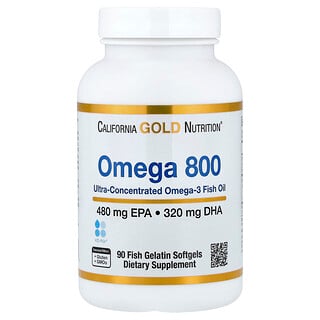 California Gold Nutrition, Omega 800, 90 Fish Gelatin Softgels (1,000 mg per Softgel)27.49 €
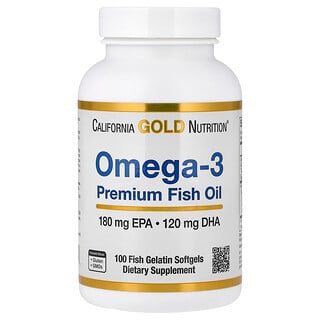 California Gold Nutrition, Omega-3 Premium Fish Oil, 100 Fish Gelatin Softgels (1,100 mg per Softgel)12.49 €
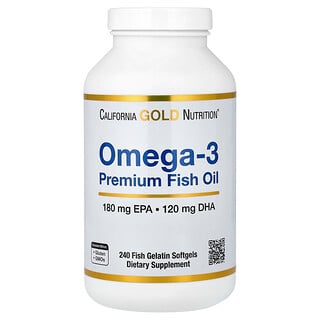 California Gold Nutrition, Omega-3, Premium Fish Oil, 240 Fish Gelatin Softgels (1,100 mg per Softgel)27.15 €
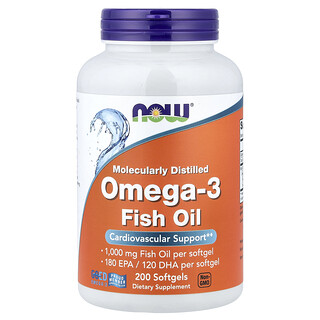 NOW Foods, Omega-3 Fish Oil, 1,000 mg, 200 Softgels19.14 €
Pooled clinical data shows that omega-3 supplementation significantly elevates 18-HEPE and 17-HDHA, key precursors for active inflammatory resolution.

High polyphenol counts in spices do not guarantee immediate absorption. Discover how lipid carriers and gut bacterial fermentation determine plant compound bioavailability.

Vitamin B12 requires a delicate multistep cascade for absorption. Discover why normal blood tests miss cellular deficiency and how functional markers expose it.

Coordinating berberine and apple cider vinegar with starch intake optimizes postprandial metabolism while addressing modern short-chain fatty acid deficits.

Berberine lowers blood sugar through mechanisms similar to metformin, but its action relies on partially inhibiting mitochondrial energy production.

Long-term trials show high-dose vitamin D3 does not reduce fracture risk in older adults who already maintain sufficient baseline serum levels.

Exploring how methylene blue affects mitochondrial electron transport and monoamine oxidase, and why serotonin syndrome risk depends heavily on drug interactions and dosage.

A ten-year follow-up of children whose mothers took high-dose fish oil in late pregnancy reveals the limits of isolated prenatal supplementation for preventing ADHD and autism.

Standard serum blood tests often fail to detect subclinical nutrient deficiencies because essential vitamins and minerals reside primarily inside cells rather than in liquid blood serum.

Refined sugar consumption forces the mitochondria to pull vital cofactors like thiamine, zinc, and potassium from tissue reserves to fuel oxidation.

While vitamin D is critical for metabolic health, its ability to dramatically increase calcium absorption creates risks under specific medical conditions and drug therapies.

Unfortified nutritional yeast provides a complex matrix of trace minerals, complete amino acids, and beta-glucans that support insulin sensitivity and cellular defense.

Dietary sources fall far short of optimal vitamin D requirements. Understanding metabolic barriers and nutrient cofactors is essential for maintaining systemic health.

Vitamin E stabilizes the lipid bilayer of cell membranes, protecting organelle function, nerve myelin, and endocrine hormone pathways from oxidative destruction.

Vitamin A regulates mucosal mucin production, macrophage phagocytosis, and neutrophil traps while maintaining immune tolerance across respiratory and gut barriers.

Standard low-dose vitamin D supplementation often fails due to absorption barriers, metabolic demand, and receptor downregulation.

Vitamin D functions as an immunomodulatory hormone, regulating regulatory T cells, supporting cathelicidins, and modulating inflammatory cascades across seasonal infection cycles.

Standard blood tests often fail to detect cellular vitamin B12 deficiency, making functional markers like methylmalonic acid essential for evaluating nerve and metabolic health.

Standard five-gram daily creatine doses saturate muscle tissue but leave little for the brain; higher intakes are required to support cerebral energy metabolism during cognitive strain and sleep loss.

Broad-spectrum antibiotics can deplete gut microbes responsible for producing thiamine, leading to connective tissue weakness, neurological symptoms, and metabolic disruption.

Coenzyme Q10 supplementation improves fasting glucose, HbA1c, HOMA-IR, triglycerides, and C-reactive protein in prediabetes and type 2 diabetes, addressing mitochondrial bioenergetics.

Taking the wrong synthetic form of Vitamin B6 can paradoxically cause deficiency symptoms by blocking active enzyme pathways involved in mood and blood sugar regulation.

Vitamin D toxicity stems from hypercalcemia rather than the vitamin itself. Proper co-factors like K2, magnesium, and hydration make targeted protocols safe.

Combining targeted multi-pathway compounds with dietary changes significantly lowers LDL cholesterol, fasting insulin, and homocysteine levels.

Vitamin B6 acts as an essential cofactor for over 140 enzymatic reactions, supporting neurotransmitter synthesis, fluid balance, and hormone metabolism.

Vitamin D directly shapes gut microbial diversity, supports butyrate production, and reinforces the intestinal epithelial barrier against systemic inflammation.

High-dose N-acetylcysteine fails to reduce oxidative stress or liver fat in non-diabetic MASLD, highlighting the need to address root metabolic overload.

Daily supplementation with 1 to 4 grams of EPA and DHA significantly reduces circulating triglycerides and LDL cholesterol in adults with established ischemic heart disease.

Combining structured aerobic and resistance exercise with daily taurine supplementation significantly lowers circulating asprosin and elevates spexin, restoring critical metabolic signals.

Equating fish oil to krill oil misses a fundamental biochemical distinction: the structural matrix delivering EPA and DHA profoundly shapes circulating lipid levels.

High-dose vitamin D supplementation significantly reduces elevated TSH and lowers anti-TPO autoantibodies by over 50 percent in women with autoimmune hypothyroidism.

An umbrella review of data from over 66,000 individuals shows vitamin D repletion reduces symptoms in hives, eczema, and allergic rhinitis, but fails to alter asthma or food allergies.

High-dose DHA elevates cerebrospinal fluid fatty acid levels, but two years of supplementation fails to alter brain volume or cognitive trajectory in older adults.

Co-ingesting omega-3 fatty acids with lutein and zeaxanthin does not significantly boost short-term serum carotenoid levels beyond xanthophyll intake alone.

Curcumin's low oral bioavailability hides a deeper mechanism: its reduced metabolites drive its actions on glucose, lipid metabolism, and inflammatory pathways.

Combining targeted probiotic strains with plant polyphenols elevates short-chain fatty acids, enhances tryptophan conversion to protective indoles, and reduces gut permeability markers.

High-dose vitamin D3 supplementation in deficient young people shows targeted reductions in anxiety and severe depressive symptoms, though outcomes depend heavily on baseline severity.

Evaluating how vitamin D supplementation influences blood pressure, LDL cholesterol, and glycemic control across different age groups and baseline blood levels.

Most of what is on the shelf is unnecessary, underdosed or in a form the body handles poorly. A few things are genuinely worth taking. Here is how to tell them apart.